|
|
Expert Interview: Dr. Loretta
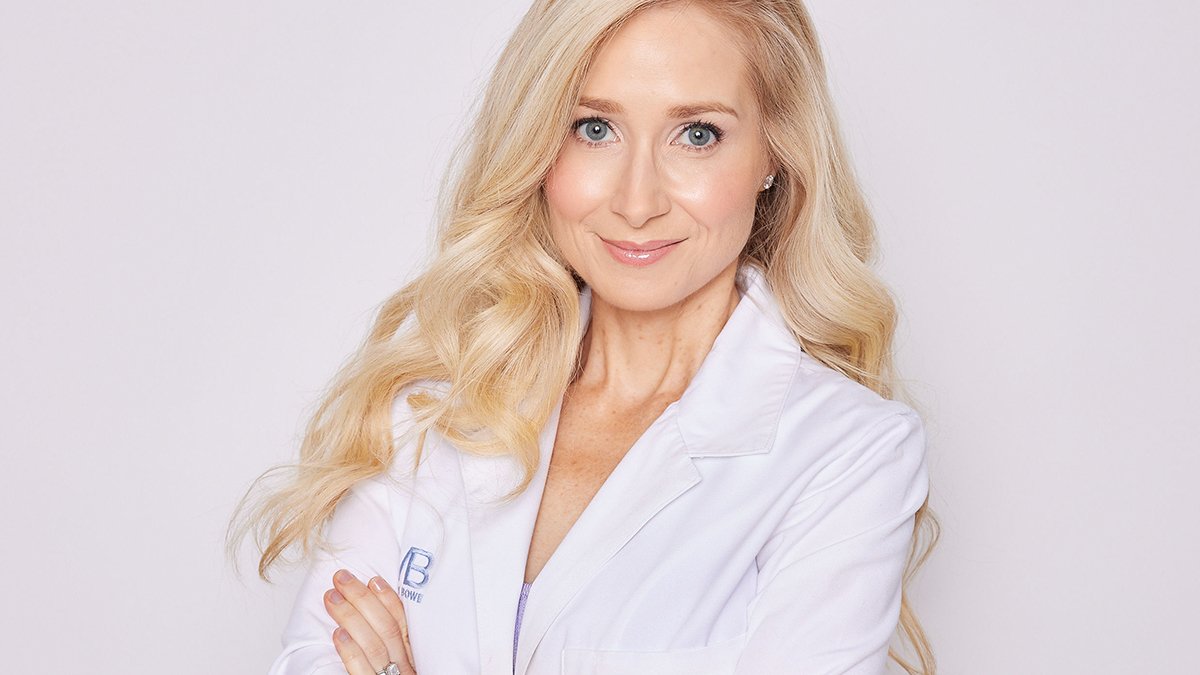
EXPERT INTERVIEW: DR. LORETTA We sat down with one of the biggest names in the medical skin care industry, Dr. Loretta Ciraldo, to get the latest on most-needed ingredients and dealing with sun damage. Read on to learn what she had to say!
DERMSTORE: Other than daily use of SPF, what’s the single b DR. LORETTA: Remain faithful to a coordinated skincare regimen: cleanser, serum, moisturizer, twice a day. I ask new patients to bring in their present skincare routine, and I’ve discovered people have many products that don’t necessarily work well together and that they end up with loads of products that can create more issues that they originally had. If you want to lessen wrinkles, you don’t need three or four products with AHA and retinoids. But you do need to replenish the moisture lost by aggressive anti-wrinkle products. So an effective but intense exfoliating moisturizer needs to be balanced with a very hydrating serum the cleanser has to enhance the effects of the serum and moisturizer. If you are acne prone and dry skinned, you have to address both moisture replenishment and clearing pores within one well-planned regimen. Question what you are now using and be sure that you have a coordinated program to help you achieve your goals.
DERMSTORE: Tell us about Lipochroman. What makes such a powerful antioxidant? Do you think it’s more beneficial than, say, vitamin C? Is it reparative or just preventative? Lipochroman was originally developed to be used intravenously to help counteract the long-term harmful effects of chemotherapy. Dr. Loretta skincare was the first line to incorporate it topically in our Dr. Loretta Age Change line of products. About five years ago, I realized there was a new pattern of skin aging: previously, dermatologists could look under an elderly person’s chin and see that it was basically free of visible skin aging. But now this area, called the submental skin, also has significant sagging, wrinkling, and discolorations. This is a sign that skin aging is now multifactorial…not just from UV or Oxygen free radicals. I incorporated Lipochroman because it is the strongest antioxidant on the market when measured on the T-Bar assay. It protects from Oxygen Free radicals, as an enhanced antioxidant/environmental shield, but it goes beyond the traditional role of antioxidants since it also uniquely protects skin from an increasing culprit: nitrogen free radicals, which are caused by environmental toxins. Since Lipochroman is not as strong a skin firming agent as Vitamin C, all the Age Change products are packed with separate peptides to combat wrinkling and help brighten skin.
DERMSTORE: Having a practice in such a sunny place (South Florida), you must see a lot of patients with sun damage. What do you recommend for reversing these signs? How about in-office procedures? I can’t emphasize enough that you have to get serious about combating sun damage as early as you start to see it rear its unsightly head, and this is typically by your twenties. At-home clinically based skincare is one important part of the equation, but I highly advise everyone to go to a skincare specialist for advice on procedures as well as products by age 21. Procedures like light, “lunchtime” peels are highly effective for your twenties, and sometimes by your thirties, you may advance to a peel that incorporates some salicylic as well. As far as injectable fillers and Botox, that is a very personal choice, and I find that women who take good at home care of their skin can minimize use of injectables (although they certainly do help and are best used as a subtle booster if peels and other approaches do not resolve enough of the issues to be corrected).
You’re also an advocate of vitamin K—one of the lesser-sung heroes of the skin care ingredient world. Why do we need vitamin K? Dermatologists have proven that topical Vitamin K is excellent at reducing bruising after procedures. A study conducted at University of Miami Dermatology Dept (where I am Voluntary Professor) showed that if you apply Topical Vitamin K twice daily for a week after laser, there is a significant reduction in the amount of bruising seen. I use Dr. Loretta Vitamin K routinely after injections to lessen any bruising. Consider trying Vitamin K if you have dark under eye circles or broken vessels on your face. Although it is not universally effective for these conditions, it does work in over half of the people who have these problems. It is touted infrequently, so I am trying to get the word out there to the skin care public!
What’s your take on diet and skin health/appearance? A healthy diet is very important to stay your youngest and freshest. Foods that contribute to obesity should be avoided and a caloric intake that will get your BMI into healthy range is vital. Being overweight is a big culprit in aging your appearance. I highly recommend a diet rich in Omega-3’s, an amazing anti=aging agent: Walnuts, salmon, soybeans, halibut, scallops, shrimp, tofu and tuna are leading dietary sources. If you can’t eat or don’t like these, take Omega-3 supplements. Also, Evening Primrose, with Linoleic acid, is a great for the skin, both to keep it clear and to restore a youthful radiance to skin texture. Keeping well hydrated by drinking a lot of non-caffeinated drinks, especially water (set your goal at 8 glasses a day but be sure not to fall below 5 a day) is also very important. If you take medications like diuretics or cholesterol-lowering agents then you may also need to fine tune your intake of Omega supplements and water as well. Monitoring our diet and keeping it healthy will help to improve your appearance, no doubt! As far as the validity of taking supplements over just eating antioxidant and nutrient-rich foods, I advocate dietary sources of these beneficial nutrients more than supplements but of course supplements are a great way to guarantee you are getting some of these good things if you cannot always keep a perfect diet!
Do you think there are foods that contribute to acne? Yes, if you are acne prone, consider these dietary guidelines: Limit dairy, sugar and high fructose corn syrup and fatty foods like red meats. I suggest you follow a low-glycemic diet of whole grains, lean meat, and fish. Most, but not all, acne is influenced by diet. I do strongly suggest you try this type of diet for at least 3 months and see if it improves your skin. Comments:
Article posted 1/31/2013.
http://www.dermstore.com |